Spring Season In Switzerland Fixed Instant
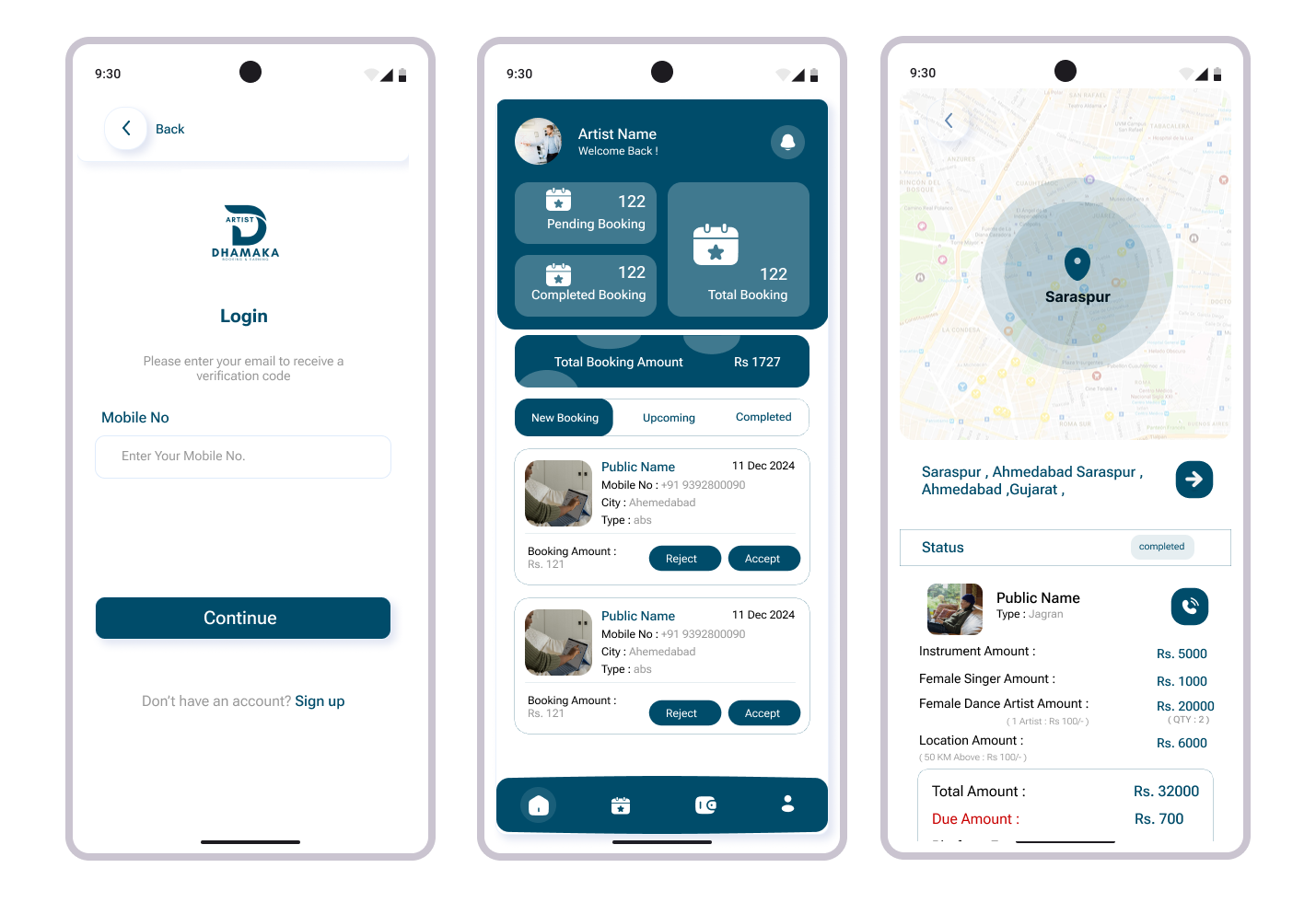
Effortlessly book artists, track transactions, and manage users—all in one app. Simplify your bookings with powerful filters and intuitive tools.
But the most unique spring ritual is the Maiensäss . Between the low valley farms ( Tal ), and the high summer pastures ( Alp ), there exists a middle zone. In spring, the cattle stop here for two weeks to eat the Streuwiese —a specific type of nutrient-rich, wet meadow grass. The milk produced during this two-week window is rare. It is used to make Mutschli , a semi-hard cheese that tastes of wild herbs and flowers. It is only available for four weeks a year. Switzerland has three distinct climate zones, and spring hits each like a different instrument in an orchestra.
Then comes the Spargelzeit (asparagus season). While white asparagus is revered in Germany, the Swiss cantons of Seeland and Geneva produce a sweet, purple-tipped green asparagus that is grilled over open fires. spring season in switzerland
Famous for its apricot blossoms. In April, the valley between Sierre and Sion turns into a soft white-pink cloud. The air is sweet, almost cloying, with the scent of 1.2 million apricot trees. But the most unique spring ritual is the Maiensäss
Summer is for the crowd. Winter is for the daredevil. Autumn is for the melancholic. But spring? Spring is for the poet. It is the season that reminds you that Switzerland is not a postcard. It is a living, breathing, melting, flowering geology lesson. And if you blink, you will miss it. The milk produced during this two-week window is rare
Spring in Switzerland is not merely a transition. It is a violent, beautiful, and visceral awakening. It is the sound of a billion water droplets being unleashed from their frozen prisons. It is the smell of damp earth and wild garlic. It is the taste of the first Merlot from Ticino. To understand Switzerland in spring is to understand the raw mechanics of the Alps rebooting after a long winter. Spring officially begins in March, but the calendar is merely a suggestion. The real signal is auditory. Around mid-March, the famous Rhine Falls near Schaffhausen transforms. Fed by the melting snowpack of the Grisons Alps, the water flow doubles, then triples. The roar of 700,000 liters of water per second crashing over the rock becomes audible from a kilometer away. This is the sound of the Alps exhaling.
But that is the genius of it. Spring is not a settled season. It is a battle. It is winter fighting a retreat, and summer advancing too quickly. You do not visit Switzerland in spring to swim in warm lakes or summit the Jungfrau in a t-shirt. You visit to witness the ephemeral sublime. You go to see the melting water paint the rivers blue. You go to eat a cheese that exists for two weeks. You go to stand in a field of wild garlic while the Föhn wind blows the scent of ice from the peaks into your lungs.
Furthermore, the Rutschungen (landslides) are common. The melting snow destabilizes the slopes. Hiking trails in high passes (like the Gemmi or the Loetschberg) remain closed until June. Many a tourist has arrived in Zermatt in April expecting green meadows, only to find the Matterhorn still buried under five meters of snow, with ski lifts still running.
Et nihil atque ex. Reiciendis et rerum ut voluptate. Omnis molestiae nemo est. Ut quis enim rerum quia assumenda repudiandae non cumque qui. Amet repellat omnis ea.

Et nihil atque ex. Reiciendis et rerum ut voluptate. Omnis molestiae nemo est. Ut quis enim rerum quia assumenda repudiandae non cumque qui. Amet repellat omnis ea.