
Пн – Пт с 9-00 до 18-00
Заказать звонок
  • Home
  • General
  • Guides
  • Reviews
  • News
Наши услуги
  • Компьютерная диагностика автокранов LIEBHERR
    • Диагностика двигателя гусеничного крана LIEBHERR LTR 1100
  • Ремонт и техническое обслуживание автокранов
    • Ремонт кранов Liebherr Terex Demag Grove Faun по России
  • Ремонт автоматических и механических коробок передач ZF
    • Ремонт коробок передач коммерческого транспорта
    • Обкатка АКПП на стенде
  • Капитальный ремонт двигателей Liebherr Mercedes
    • Ремонт двигателей LIEBHERR MERCEDES CUMMINS
    • Холодная обкатка двигателя на стенде
  • Ремонт электронных блоков спецтехники
    • Ремонт панелей оператора
    • Ремонт джойстиков спецтехники
    • Ремонт блоков управления двигателем
  • Заправка гидроаккумуляторов
    • Заправка гидроаккумуляторов азотом
  • Изготовление секций стрелы и цилиндров выдвижения
    • Секции стрелы
    • Цилиндры выдвижения стрелы
Запасные части
Сопутствующие товары
Проекты
  • Электрооборудование
  • Техническое обслуживание автокранов
  • Телескопические стрелы
  • Шасси автокрана
  • Силовые агрегаты
Контакты
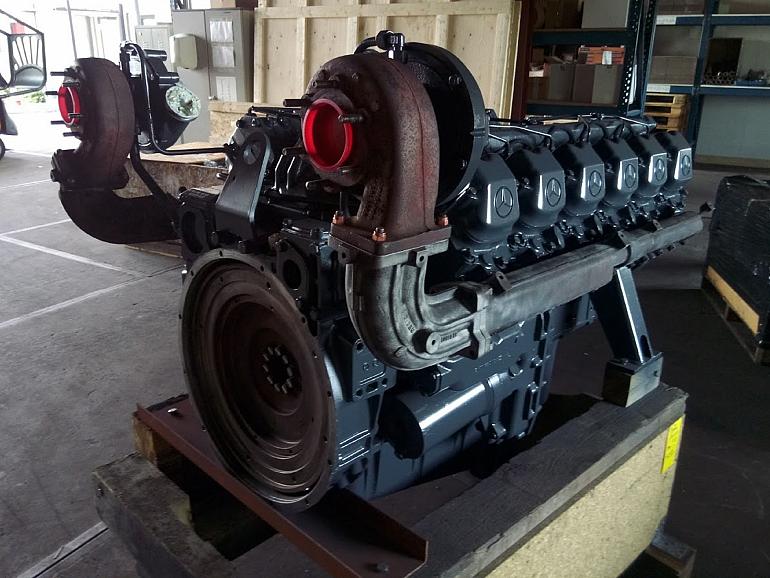
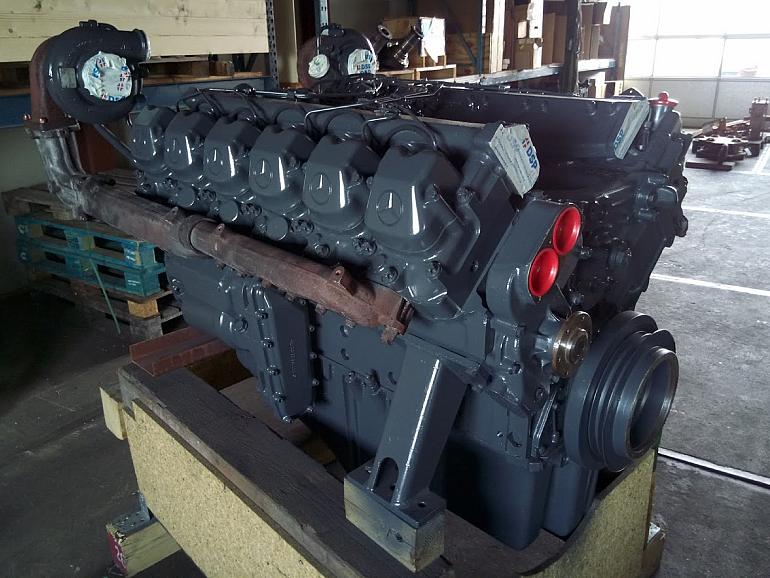
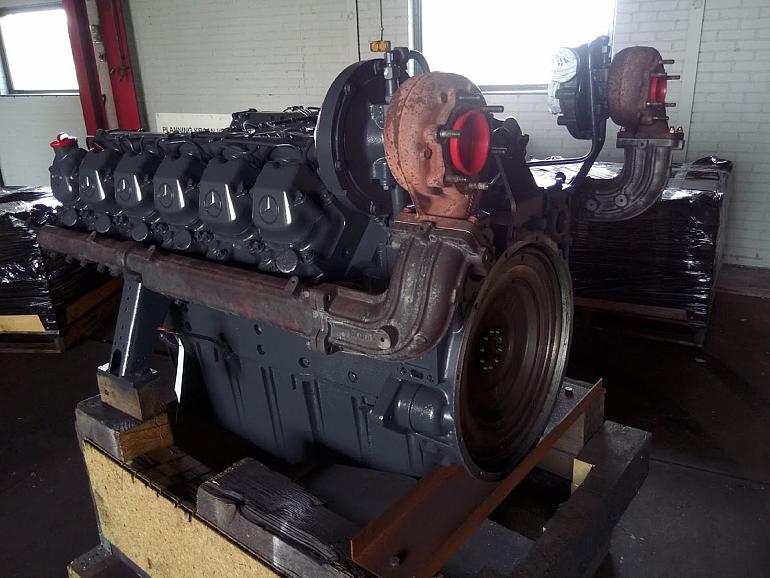
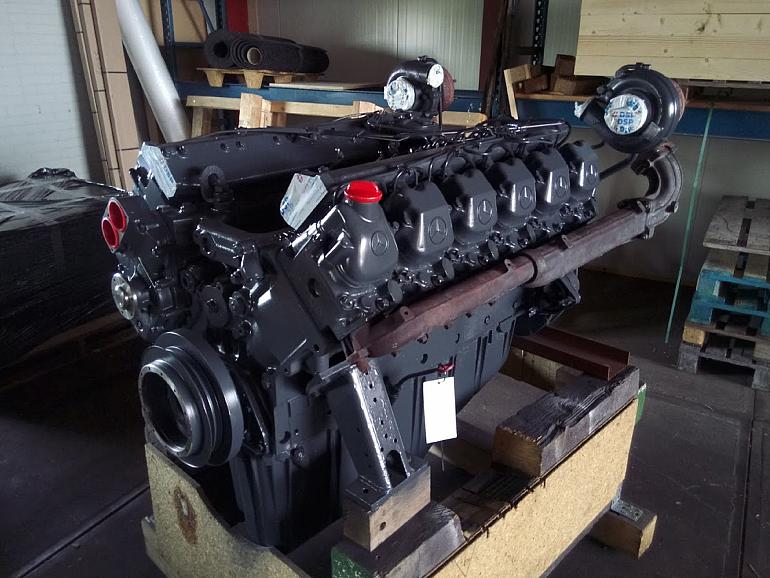
    Mercedes OM 444 LA V12

    Prison Break Tv Series Number Of Seasons Page

    Finally, the anomalous fifth season (2017) proves that even death cannot stop a profitable IP. A nine-episode revival, Prison Break season five resurrects Michael (he wasn’t dead, just imprisoned in Yemen) and stages yet another escape. While this season is leaner and more focused than seasons three or four, its very existence mocks the finality of the original run. The number of seasons—now five—becomes a cynical metric. It is no longer a storytelling choice but a product decision. Season five functions as a nostalgic victory lap for fans, but it concedes that the show’s logic has always been secondary to its survival.

    In conclusion, the five seasons of Prison Break tell a cautionary tale about the architecture of serialized television. The first season is a perfect structure. The second is a necessary expansion. The third is a repetitive failure. The fourth is a chaotic collapse. And the fifth is a nostalgic ghost. The show’s legacy is not that it maintained its quality over many seasons, but that it managed to produce one of the greatest single seasons of television history before spending four more seasons trying to escape its own success. Ultimately, Prison Break had the perfect number of seasons for a commercial property—one too few for network profits, but four too many for its own artistic integrity.

    Season three represents the point where the number of seasons becomes a burden. Desperate to recapture the magic of the first year, the writers dumped the protagonists into Sona, a brutal Panamanian prison. This was a “prison break” without the aesthetic of American concrete and without Michael’s pre-planned tattoos. The season was shortened to 13 episodes due to a writers’ strike, resulting in a disjointed, repetitive cycle: break in, plan, break out. At this juncture, the show’s run time—its third season—actively worked against it. The audience felt the exhaustion. The premise that had seemed so revolutionary in Season 1 now felt like a hamster wheel. Season three proves that for Prison Break , more seasons did not mean more depth; they meant more recycling.

    Season four is the bloated corpse of a great idea. Stretching to 24 episodes, it abandoned prisons altogether, pivoting to a convoluted espionage plot involving “Scylla,” a high-tech data card. The characters, once sympathetic fugitives, became globe-trotting super-spies taking down a shadowy cabal called “The Company.” By its fourth season, Prison Break had completely inverted its original thesis. The show was no longer about the desperate ingenuity of trapped men; it was about the absurd invincibility of action heroes. The season is a slog of double-crosses, resurrections, and macguffins. The writers even killed off the lead, Michael Scofield, in the finale—a desperate attempt to impose finality on a story that had refused to end for four years. The number four here symbolizes narrative bankruptcy.

    When Prison Break premiered on Fox in 2005, it arrived with a premise so brilliantly high-concept that it seemed to contain its own expiration date. The narrative engine was simple yet explosive: a structural engineer, Michael Scofield, gets himself incarcerated to break out his innocent brother, both wearing intricate blueprints tattooed across his body. By this logic, the show had a natural lifespan of roughly one season. The escape would happen; the story would end. Yet, the series ran for five seasons across a decade (2005–2009, then a revival in 2017). An examination of the show’s number of seasons reveals a fascinating case study in network television’s struggle to sustain a premise built for closure, ultimately arguing that Prison Break ’s quantity of seasons is both its greatest commercial strength and its most glaring narrative weakness.

    The first season stands alone as a tightly wound masterpiece of suspense. It is 22 episodes of relentless tension, confined almost entirely to the claustrophobic hellscape of Fox River State Penitentiary. The number one here is crucial. One season allowed the writers to treat the prison as a chessboard, where every toilet pipe, guard rotation, and inmate alliance mattered. The season finale, which ends with the brothers and their cohorts escaping into the yard, represents the logical conclusion of the original concept. Had the show ended here, it would be remembered as a perfect limited series. However, ratings demanded more, and thus began the problem of the subsequent seasons.

    Prison Break Tv Series Number Of Seasons Page

    • Главная
    • Запасные части
    • Запасные части
    • prison break tv series number of seasons
    • prison break tv series number of seasons
    • Mercedes OM 444 LA V12
    Под заказ
    Арт. OM 444 LA V12
    Daimler AG
    Характеристики
    Модель
    OM 444 LA V12
    Торговая марка
    Mercedes
    по запросу
    Заказать
    Задать вопрос

    Фото
    • Mercedes OM 444 LA V12
    • Mercedes OM 444 LA V12
    • Mercedes OM 444 LA V12
    • Mercedes OM 444 LA V12
    Mercedes OM 444 LA V12
    Daimler AG
    Все товары категории
    Все товары бренда Daimler AG

    Назад к списку
    Подписывайтесь на новости и акции:

    Finally, the anomalous fifth season (2017) proves that even death cannot stop a profitable IP. A nine-episode revival, Prison Break season five resurrects Michael (he wasn’t dead, just imprisoned in Yemen) and stages yet another escape. While this season is leaner and more focused than seasons three or four, its very existence mocks the finality of the original run. The number of seasons—now five—becomes a cynical metric. It is no longer a storytelling choice but a product decision. Season five functions as a nostalgic victory lap for fans, but it concedes that the show’s logic has always been secondary to its survival.

    In conclusion, the five seasons of Prison Break tell a cautionary tale about the architecture of serialized television. The first season is a perfect structure. The second is a necessary expansion. The third is a repetitive failure. The fourth is a chaotic collapse. And the fifth is a nostalgic ghost. The show’s legacy is not that it maintained its quality over many seasons, but that it managed to produce one of the greatest single seasons of television history before spending four more seasons trying to escape its own success. Ultimately, Prison Break had the perfect number of seasons for a commercial property—one too few for network profits, but four too many for its own artistic integrity.

    Season three represents the point where the number of seasons becomes a burden. Desperate to recapture the magic of the first year, the writers dumped the protagonists into Sona, a brutal Panamanian prison. This was a “prison break” without the aesthetic of American concrete and without Michael’s pre-planned tattoos. The season was shortened to 13 episodes due to a writers’ strike, resulting in a disjointed, repetitive cycle: break in, plan, break out. At this juncture, the show’s run time—its third season—actively worked against it. The audience felt the exhaustion. The premise that had seemed so revolutionary in Season 1 now felt like a hamster wheel. Season three proves that for Prison Break , more seasons did not mean more depth; they meant more recycling.

    Season four is the bloated corpse of a great idea. Stretching to 24 episodes, it abandoned prisons altogether, pivoting to a convoluted espionage plot involving “Scylla,” a high-tech data card. The characters, once sympathetic fugitives, became globe-trotting super-spies taking down a shadowy cabal called “The Company.” By its fourth season, Prison Break had completely inverted its original thesis. The show was no longer about the desperate ingenuity of trapped men; it was about the absurd invincibility of action heroes. The season is a slog of double-crosses, resurrections, and macguffins. The writers even killed off the lead, Michael Scofield, in the finale—a desperate attempt to impose finality on a story that had refused to end for four years. The number four here symbolizes narrative bankruptcy.

    When Prison Break premiered on Fox in 2005, it arrived with a premise so brilliantly high-concept that it seemed to contain its own expiration date. The narrative engine was simple yet explosive: a structural engineer, Michael Scofield, gets himself incarcerated to break out his innocent brother, both wearing intricate blueprints tattooed across his body. By this logic, the show had a natural lifespan of roughly one season. The escape would happen; the story would end. Yet, the series ran for five seasons across a decade (2005–2009, then a revival in 2017). An examination of the show’s number of seasons reveals a fascinating case study in network television’s struggle to sustain a premise built for closure, ultimately arguing that Prison Break ’s quantity of seasons is both its greatest commercial strength and its most glaring narrative weakness.

    The first season stands alone as a tightly wound masterpiece of suspense. It is 22 episodes of relentless tension, confined almost entirely to the claustrophobic hellscape of Fox River State Penitentiary. The number one here is crucial. One season allowed the writers to treat the prison as a chessboard, where every toilet pipe, guard rotation, and inmate alliance mattered. The season finale, which ends with the brothers and their cohorts escaping into the yard, represents the logical conclusion of the original concept. Had the show ended here, it would be remembered as a perfect limited series. However, ratings demanded more, and thus began the problem of the subsequent seasons.

    Copyright © 2026 Rapid Pinnacle