Recommended
-
 Fanuc 0 Parameters Manual GFZ-61410E/03170 pages
 -
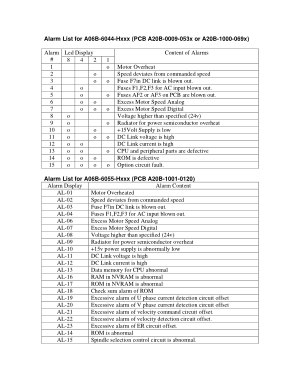 Alarm List for A06B-6044-Hxxx3 pages
 -
 CNC Milling Manual20 pages
 -

-

Culturally, the search for “ITV Dvber” reveals a profound shift in the relationship between viewer and broadcaster. No longer passive consumers, these users are active curators. They are the digital equivalent of the obsessive VHS collector of the 1980s, but armed with more precise tools. They rescue “lost” episodes of daytime TV, preserve unaired edits of game shows, and ensure that a random episode of The Chase from a rainy Tuesday in 2019 remains accessible to a future researcher—or simply to someone who fell asleep on the sofa and missed the final chase.
Why does this matter? On the surface, one could argue that official streaming services like the ITV Hub (now ITVX) have made such archiving obsolete. After all, most ITV shows appear on the platform shortly after broadcast. However, the “Dvber” community identifies critical flaws in the official model. ITVX is a transient library; programs are often removed due to rights expirations, music licensing issues, or simply to drive viewers to paid tiers. Furthermore, streaming versions are frequently edited—music is swapped, scenes are trimmed for time, and the original broadcast context (the “next-on” trailers, the regional idents) is stripped away. itv dvber
To understand “ITV Dvber,” one must first decode its components. “ITV” refers to the UK’s oldest commercial public service broadcaster, a network responsible for iconic soaps ( Coronation Street ), dramas ( Downton Abbey ), and light entertainment ( Ant & Dec’s Saturday Night Takeaway ). “Dvber” is a contraction of “Digital Video Recorder” – a device that replaced the VCR, allowing users to record broadcasts onto hard drives. However, in the vernacular of online forums and search engines, “Dvber” has become shorthand for a specific, third-party website: or similar services that capture raw, unadulterated MPEG-2 transport streams from Freeview, Freesat, and other digital terrestrial broadcasts. Culturally, the search for “ITV Dvber” reveals a