Doubler 2 Stereo Work Review
At its core, the "Doubler 2 Stereo" is not merely a chorus or a slapback echo. It is a dedicated processor that generates two distinct, coherent copies of a mono source signal, then positions them intelligently across the left-right spectrum. The "2" suggests a pair of modulatable delay lines—each with independent control over detuning, delay time (typically 15–50 ms), and phase. The "Stereo" indicates the output stage: one copy is panned hard left, the other hard right, or with variable divergence to create a focused, yet expansive, phantom image.
In the world of audio production, few desires are as persistent as the quest for width, depth, and presence. A solitary sound—a vocal, a guitar, a synth lead—often feels monophonic and anchored to the center. To break it free, engineers have long turned to a simple yet powerful trick: doubling . The hypothetical device known as the "Doubler 2 Stereo" takes this centuries-old technique (from double-tracked tape to modern modulation) and codifies it into a dual-engine spatial architect.
In practice, this device would find homes in several critical applications. For lead vocals, a subtle "Doubler 2 Stereo" can add radio-ready width without resorting to reverb wash. For rhythm guitars, it replaces the need for dual takes—freeing up tracking time. In electronic music, it transforms a rigid mono synth pad into a swirling, immersive texture. However, the engineer must exercise restraint. Overuse leads to phase cancellation when summed to mono, or a disorienting "hole in the middle" where the center image collapses. The best settings often involve a dry signal blended back in, anchoring the source while the doubled copies provide wings.
Ultimately, the "Doubler 2 Stereo" represents a philosophy: that width is not simply volume spread across speakers, but a carefully crafted illusion of time and pitch difference. It is a tool that honors the analog past—where double-tracking was a labor of love—while embracing digital precision and control. In a stereo field crowded with competing elements, a well-tuned doubler can make one voice sound like two, and two sound like a choir. That is the quiet magic of doubling, squared.
Why is this effect so compelling psychoacoustically? The human ear detects slight differences in timing and pitch between two similar sounds as evidence of multiple sources—an ensemble, rather than a single point. The "Doubler 2 Stereo" exploits the Haas effect (precedence effect) while avoiding the metallic artifacts of flanging. By offering independent LFO shapes for each channel, it simulates the organic imperfections of a human double-track: no two takes are identical. The result is a sound that feels larger than its origin, yet retains clarity and punch.
Doubler 2 Stereo Work Review
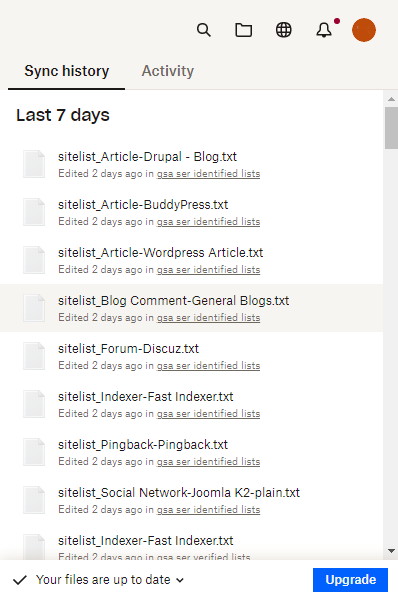
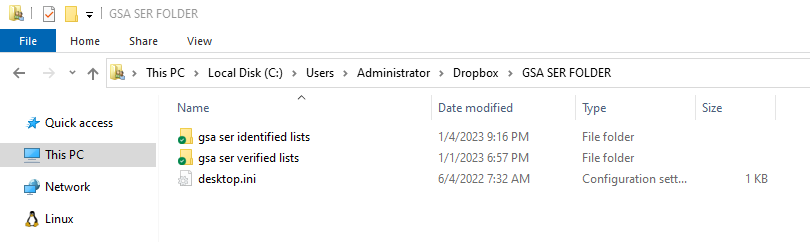
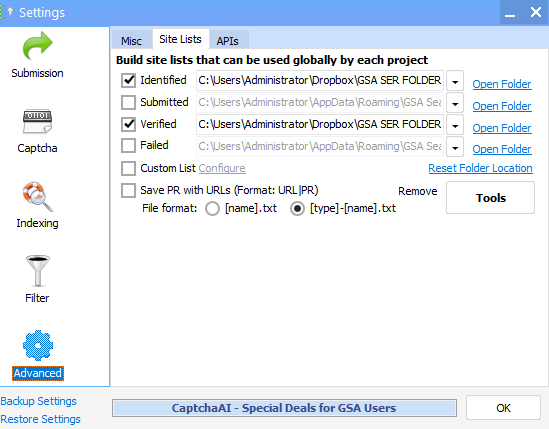
What exactly is GSA SER Verified List? And What is the best way to rank on It?
GSA Search Engine Ranker (SER) is an effective tool utilized by SEO professionals to create high-quality
link opportunity for their websites.
With GSA SER, marketers are able to quickly develop an inventory of verified hyperlinks that are
specifically tailored to the specific requirements of their clients. This allows them to concentrate on
those that are relevant and achieve the most effective outcomes.
Benefits of Using a GSA SER Verified List
The use of the GSA verified list for SER enables marketers to quickly and effortlessly identify top-quality
link building opportunities that can improve their rankings on search engine result page (SERPs).
doubler 2 stereo
It is constantly updated continuously to ensure that marketers can be assured that they are receiving the
most recent information available. Furthermore, many of the websites listed on the list are from sites that
are low-OBL Tier 1 This means they are more likely to attract high traffic and aid your blog or website to
climb up the ranks.
How Do You Improve Your Ranking by using the help of a GSA Verified Lists of SERs?
Once you've found opportunities to build links from the GSA SER verified list, it's crucial to concentrate
on creating content of high quality that is engaging for users and ultimately get them clicking on your site
or blog.
At its core, the "Doubler 2 Stereo" is
Making informative, useful and relevant content can help you get higher rankings on the results pages of
search engines by demonstrating to Google that your website is an authority in the topic. It is also
important to ensure that all links link back to your site or blog, since this will provide Google the
impression of trustworthiness and relevancy when it comes to ranking.
What Are Some Best Practices When Using a GSA SER Verified List?
If you are using a GSA SER verified list, bear in your mind that when you are looking at link opportunities
for building quality must always take priority over the quantity. In addition, focusing on generating
articles that are valuable to users rather than trying to build the most links possible will ensure higher
rankings in the long run.
The "Stereo" indicates the output stage: one copy
Not last, you should be careful not to overuse keywords overly often to prevent your website from being
considered low-quality or spam and causing your rankings to drop instead of increasing.
Conclusion: SER Verified List
Utilizing the GSA SER list will offer SEO professionals with top-quality link
building options specifically to their requirements that can result in better rankings for their site or
blog over time, if followed correctly, following best practices, such by focusing on the creation of
high-quality content, not quantity, as well as avoiding keyword stuffing and so on.
In the end making use of this tool in the right way will allow you to achieve higher results in search
engine optimization more quickly than ever before!
Order Now
At its core, the "Doubler 2 Stereo" is not merely a chorus or a slapback echo. It is a dedicated processor that generates two distinct, coherent copies of a mono source signal, then positions them intelligently across the left-right spectrum. The "2" suggests a pair of modulatable delay lines—each with independent control over detuning, delay time (typically 15–50 ms), and phase. The "Stereo" indicates the output stage: one copy is panned hard left, the other hard right, or with variable divergence to create a focused, yet expansive, phantom image.
In the world of audio production, few desires are as persistent as the quest for width, depth, and presence. A solitary sound—a vocal, a guitar, a synth lead—often feels monophonic and anchored to the center. To break it free, engineers have long turned to a simple yet powerful trick: doubling . The hypothetical device known as the "Doubler 2 Stereo" takes this centuries-old technique (from double-tracked tape to modern modulation) and codifies it into a dual-engine spatial architect.
In practice, this device would find homes in several critical applications. For lead vocals, a subtle "Doubler 2 Stereo" can add radio-ready width without resorting to reverb wash. For rhythm guitars, it replaces the need for dual takes—freeing up tracking time. In electronic music, it transforms a rigid mono synth pad into a swirling, immersive texture. However, the engineer must exercise restraint. Overuse leads to phase cancellation when summed to mono, or a disorienting "hole in the middle" where the center image collapses. The best settings often involve a dry signal blended back in, anchoring the source while the doubled copies provide wings.
Ultimately, the "Doubler 2 Stereo" represents a philosophy: that width is not simply volume spread across speakers, but a carefully crafted illusion of time and pitch difference. It is a tool that honors the analog past—where double-tracking was a labor of love—while embracing digital precision and control. In a stereo field crowded with competing elements, a well-tuned doubler can make one voice sound like two, and two sound like a choir. That is the quiet magic of doubling, squared.
Why is this effect so compelling psychoacoustically? The human ear detects slight differences in timing and pitch between two similar sounds as evidence of multiple sources—an ensemble, rather than a single point. The "Doubler 2 Stereo" exploits the Haas effect (precedence effect) while avoiding the metallic artifacts of flanging. By offering independent LFO shapes for each channel, it simulates the organic imperfections of a human double-track: no two takes are identical. The result is a sound that feels larger than its origin, yet retains clarity and punch.