Tag After School Apk Information
| App Name | Tag After School |
| Version | 9.8 |
| File Size | 93 MB |
| Package ID | msh.com |
| Category | Arcade |
| Last Updated | February 24, 2024 |
| App Name | Tag After School |
| Version | 9.8 |
| File Size | 93 MB |
| Package ID | msh.com |
| Category | Arcade |
| Last Updated | February 24, 2024 |
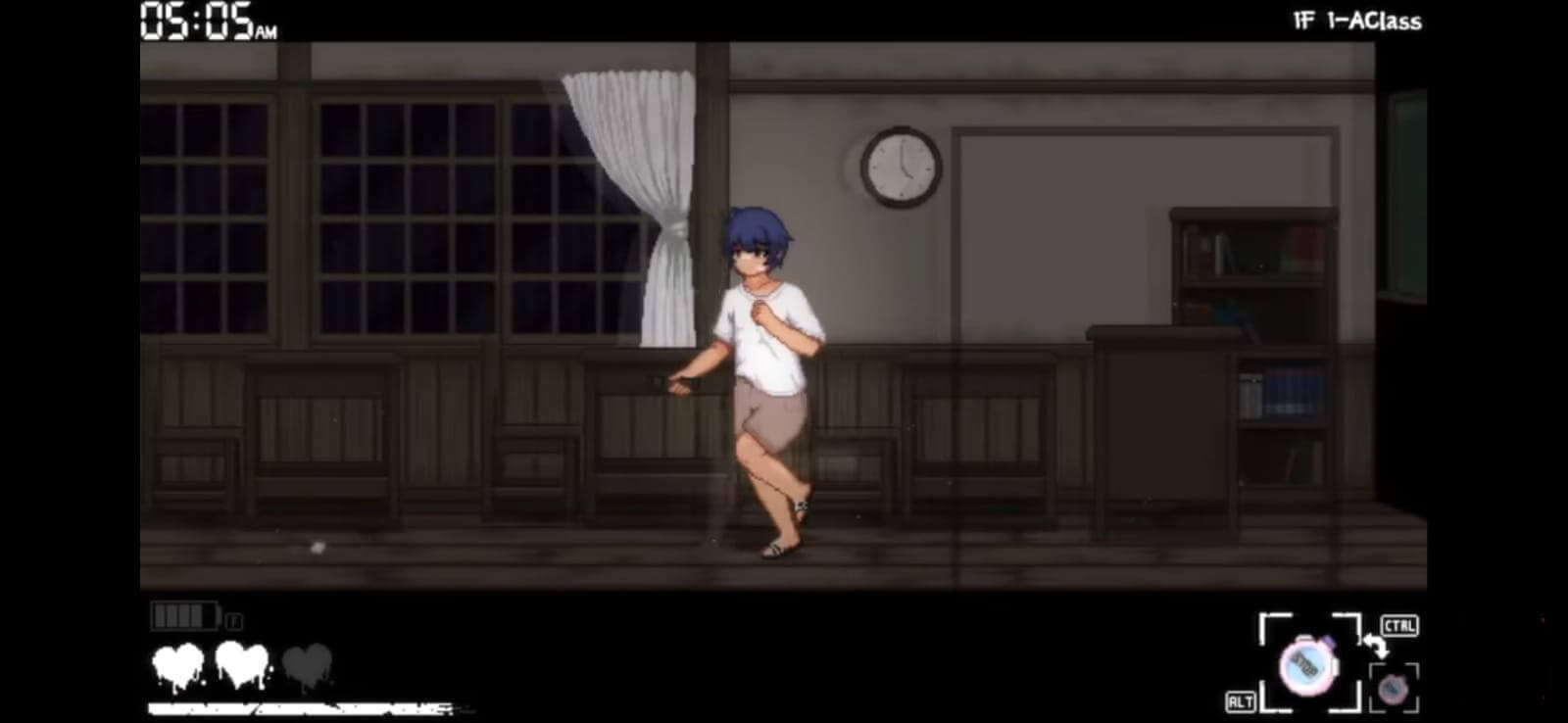
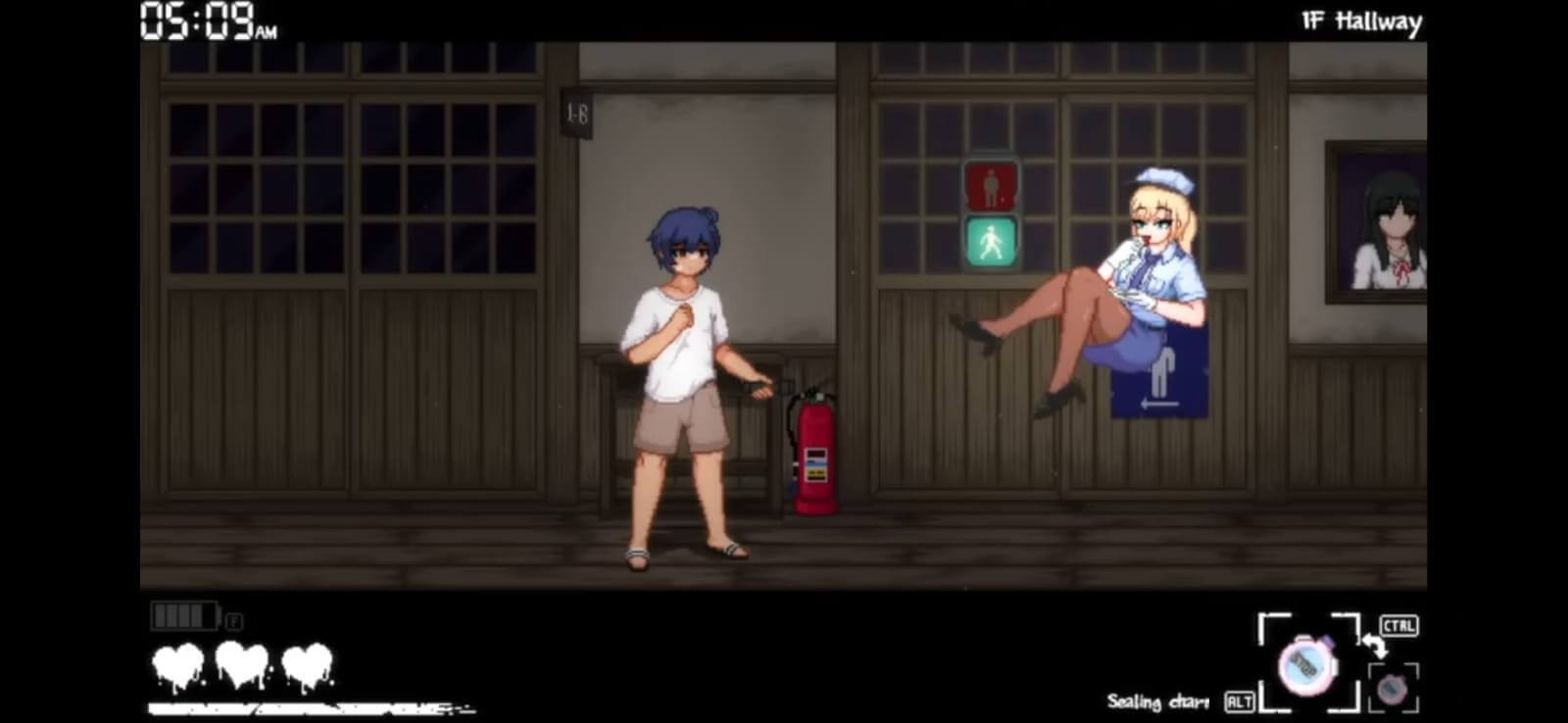
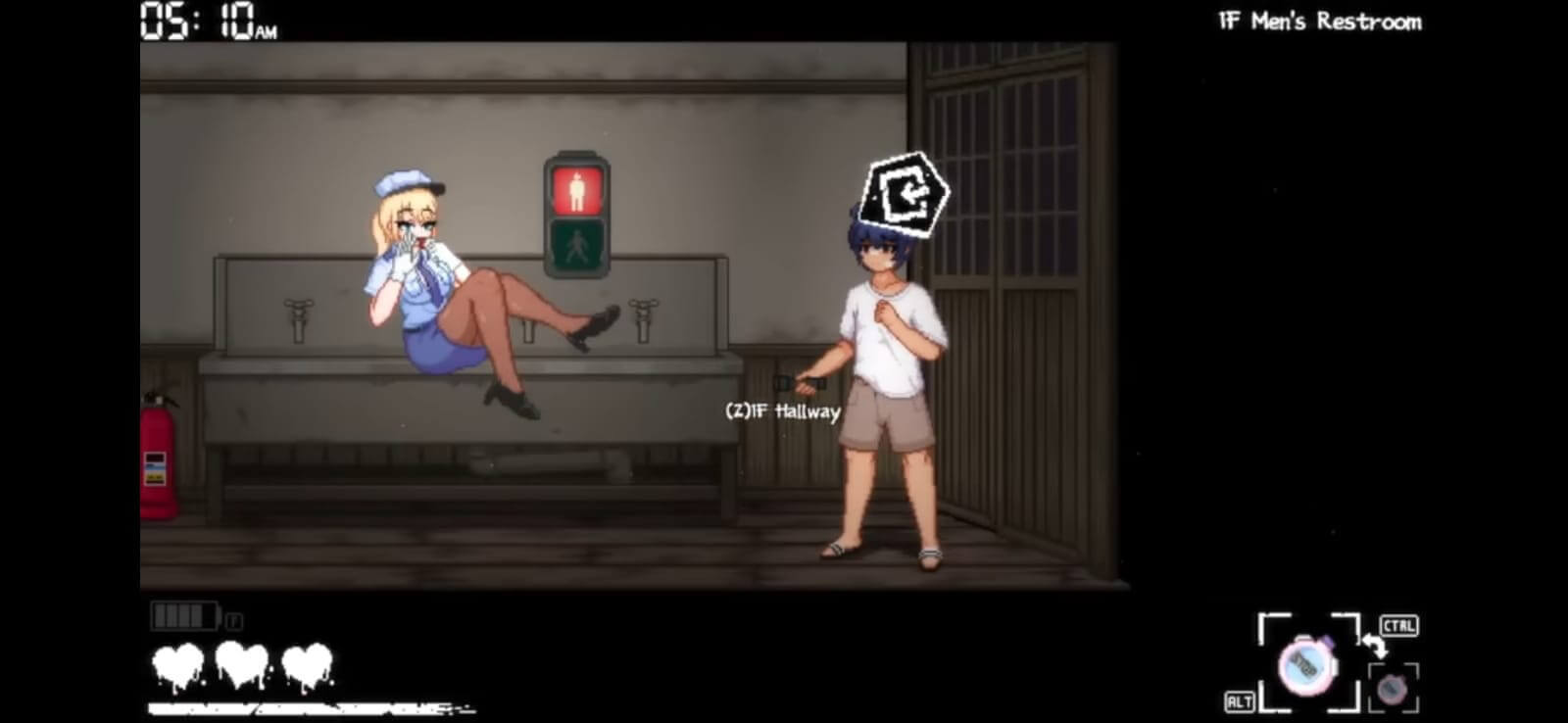
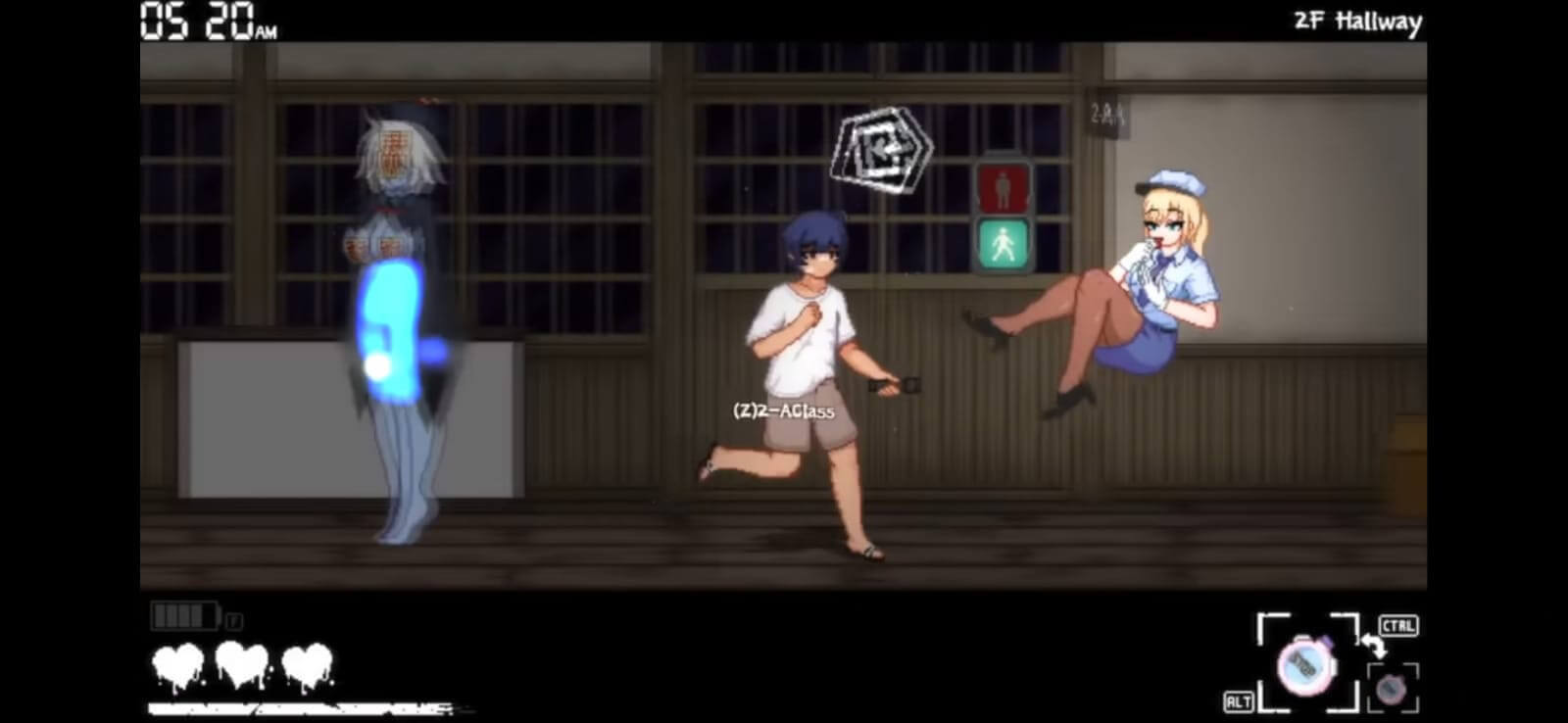
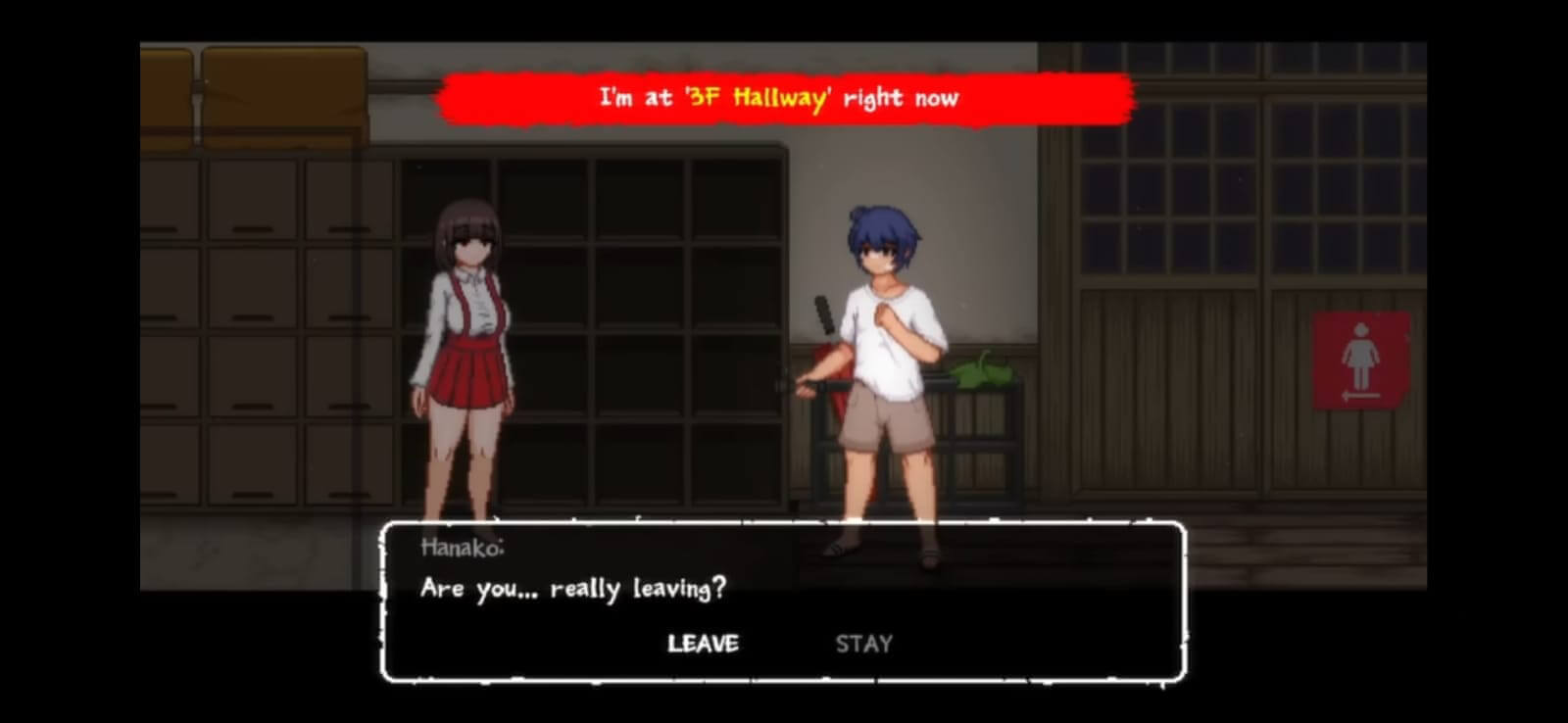
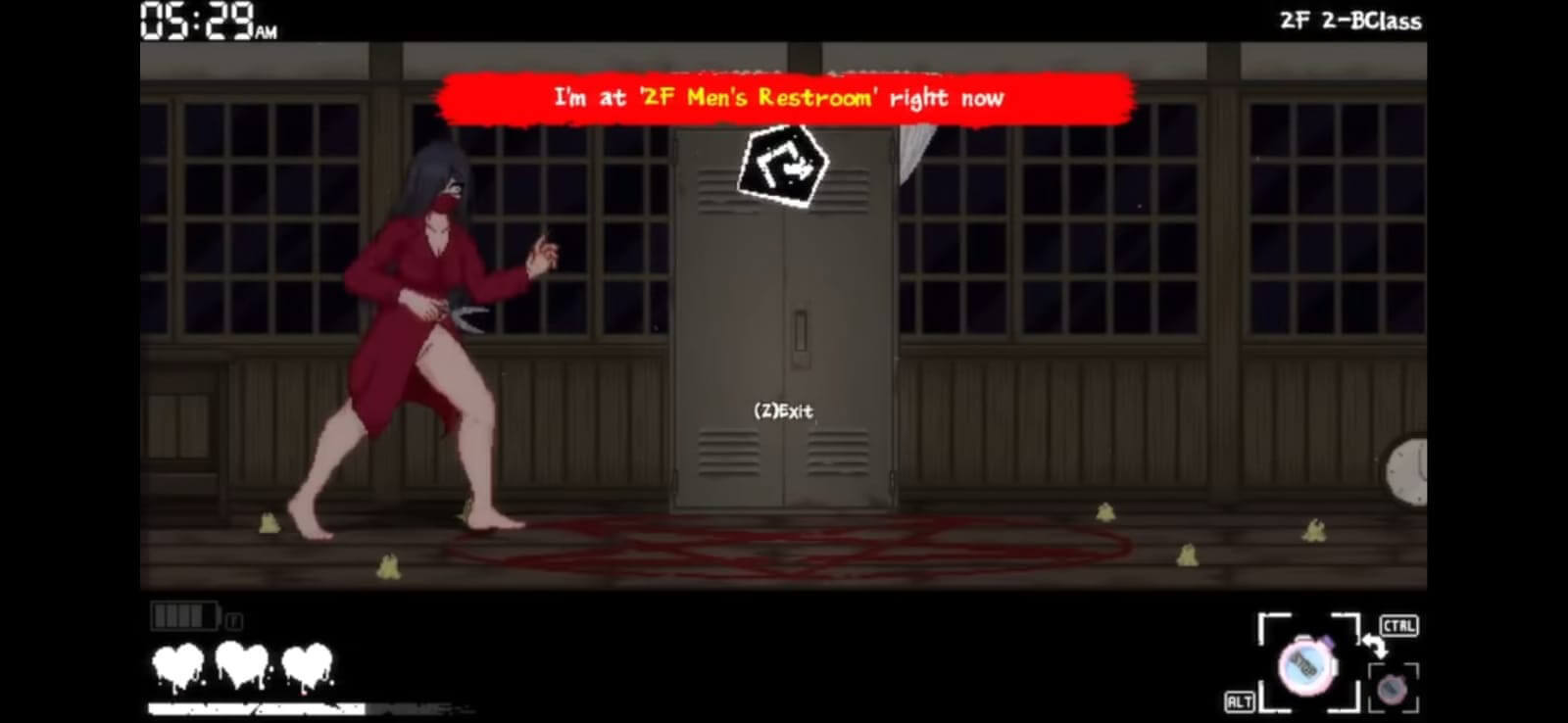
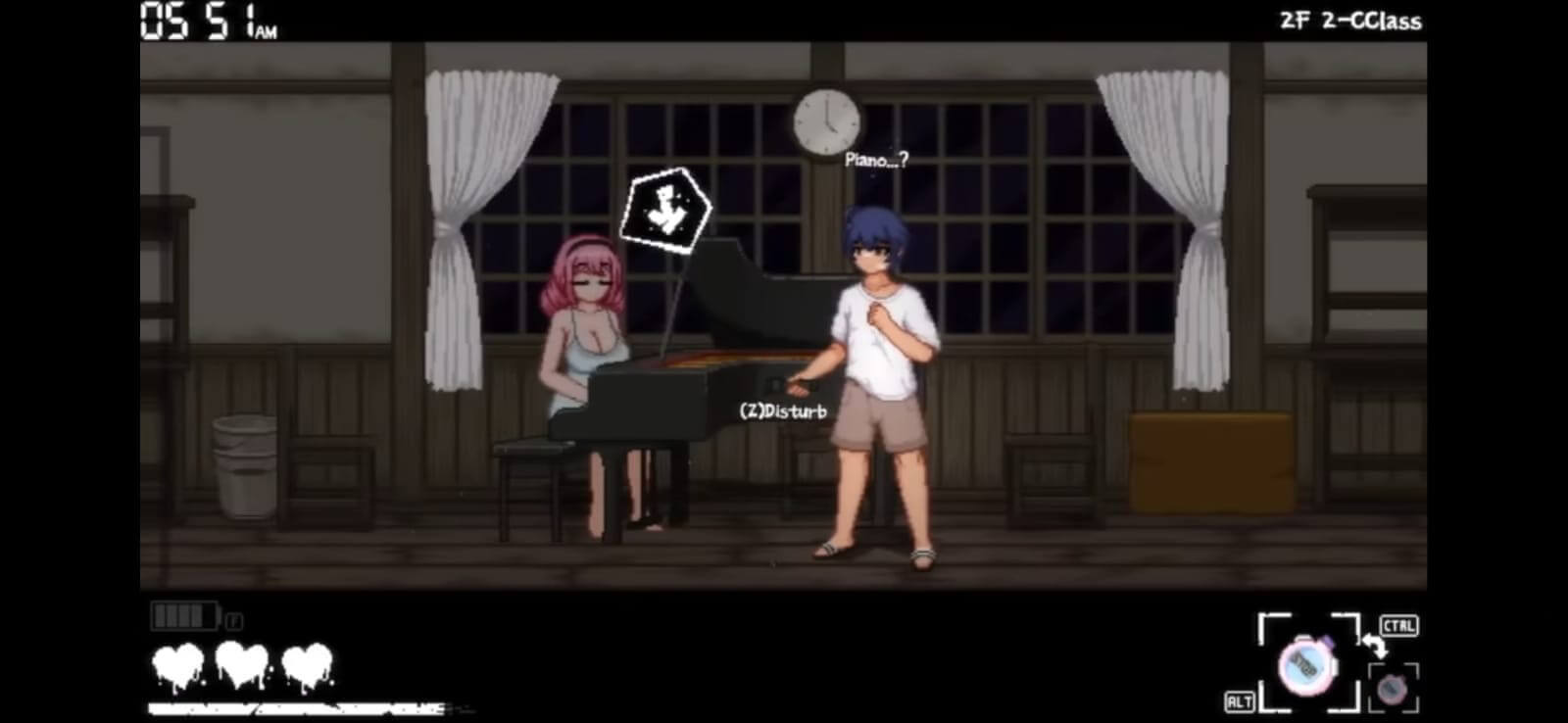
Step into Shota-Kun’s shoes, a shy student on a dare to explore a creepy school after dark. Strange encounters and mysteries await at every turn.
Your decisions shape the story. Choose wisely to unlock different paths and endings.
Move through the school carefully. Dodge ghosts and other dangers while managing your limited flashlight battery.
Stunning HD graphics bring the eerie atmosphere to life, making every moment feel real.
Simple controls ensure anyone can pick it up and dive in without hassle.
The story shifts with your choices. It offers multiple endings to discover and making each playthrough unique.
We see this in —a chaotic, high-bandwidth exchange where two people stop using words entirely, communicating only via escalating reaction clips. Psychologically, this is a form of play. It releases oxytocin, reduces cortisol, and functions as a low-stakes stress test of the relationship’s agility. Conclusion: The Loop is a Mirror Ultimately, GIFs are a magnifying glass. They amplify who we already are in relationships. If you are kind, you use the supportive “Leslie Knope” GIFs. If you are chaotic, you use the “Nick Miller smashing a cucumber.” If you are avoidant, you hide behind the “Oprah shrug.”
What began as a clunky, low-resolution file format (pronounced with a soft ‘J’ or hard ‘G’—the debate itself is a social topic) has evolved into a nuanced, emotional shorthand. Today, platforms like GIPHY and Tenor process billions of requests daily. But beyond the memes and reaction compilations, GIFs have fundamentally altered how we relate to one another. They are no longer just entertainment; they are a social lubricant, a conflict resolution tool, and sometimes, a source of modern anxiety. In the physical world, social bonding relies heavily on non-verbal cues: a shared laugh, a raised eyebrow, a nod of solidarity. Text, by its nature, is cold and linear. GIFs reintroduce the body (or its cartoon/animated equivalent) back into the chat. anal seks gif
This is . Research in computer-mediated communication (CMC) suggests that couples who develop unique, non-verbal digital codes (like custom emojis or GIFs) report higher levels of relationship satisfaction. The GIF acts as a capsule—it contains the memory of the first time you watched that show together, the laughter you shared, and the current emotion, all in a 3-second loop. The Dark Side of the Loop: Conflict and Misinterpretation However, not everything loops perfectly. GIFs are high-context. The gap between intent and interpretation can be a chasm. We see this in —a chaotic, high-bandwidth exchange
The next time you send a 2-second loop of a dancing baby or a screaming goat, remember: You aren’t just sharing a file. You are sharing a fragment of your emotional state, a reference to your shared history, and a bid for connection. Use your loops wisely. Do you have a specific angle on GIFs and relationships you’d like to explore further—such as dating apps, workplace dynamics, or cross-generational misunderstandings? Conclusion: The Loop is a Mirror Ultimately, GIFs
In the early days of the internet, text was king. We crafted lengthy emails, perfected our AIM away messages, and agonized over punctuation in SMS. Then came emojis, then stickers, and finally, the silent, looping revolution: the GIF.
This shared visual vocabulary lowers barriers. It signals cultural fluency and a willingness to be playful. In nascent friendships or romantic interests, a well-timed GIF says, “I see you. I understand the vibe. Let’s be weird together.” For couples and close friends, GIFs become an inside joke engine. They create a proprietary language that excludes outsiders.
Consider the couple who communicates solely through The Office reaction GIFs. The Jim Halpert “look at the camera” becomes shorthand for “Can you believe my boss?” The Pam Beesly “crying in the stairwell” becomes code for “I had a rough day, no details needed.”